
🎉 Enrollment is open — Join The CEO Collective® today →
She replaced her corporate salary — and then some. Working 20 hours a week. As the sole breadwinner for her family.
CARLA TITUS · WEALTH WORTH WITHIN

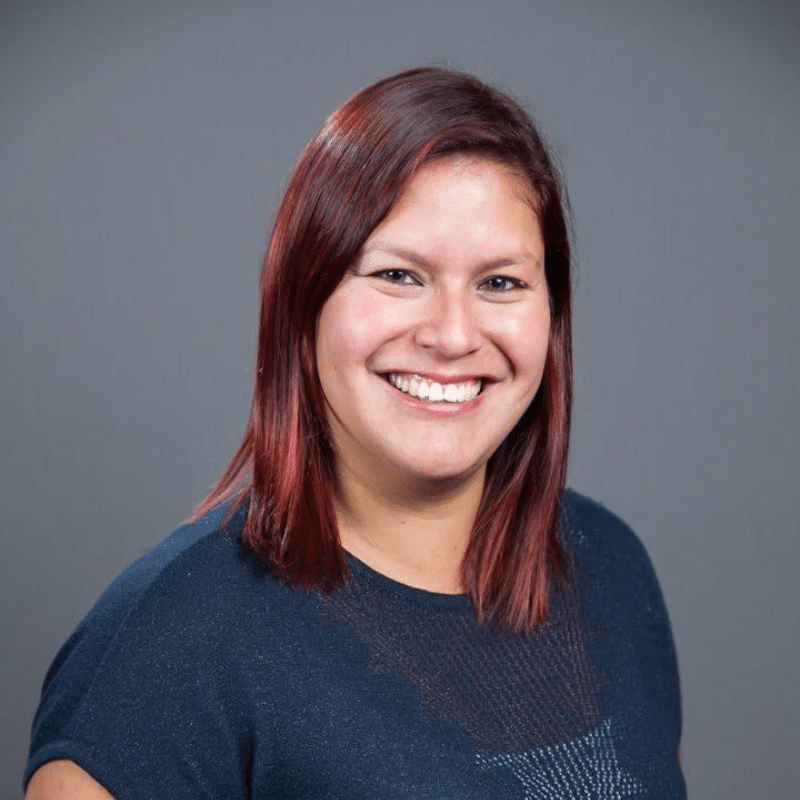
Carla Titus
Wealth & Worth Within
A fractional CFO with 15 years of corporate finance experience — who had to apply her own advice to her own business before it would actually work.
Carla Titus is the founder of Wealth & Worth Within, where she serves as a fractional CFO for small businesses – helping them grow profits, build cash reserves, and pay themselves well enough to start building genuine personal wealth. She spent 11 years in corporate finance in tech, getting promoted every 18 months on a fast track, before building a business on the side that she eventually went all in on.
She is an immigrant, a mother, the sole breadwinner for her family, responsible for her children and her mother, and she runs her practice on approximately 20 hours a week. The numbers on both sides of that sentence are real. And she’ll tell you: they don’t happen by accident. They happen because of planning, quarterly 90-day thinking, and building a team around the work only she can do.
Leave corporate finance, replace her full compensation package — salary, bonus, stock, benefits — through her own business, without working more hours than she had to. Remain fully present for her kids, her husband, and her mother. Build personal wealth, not just revenue. Do it without panic being the strategy.
She knew how to run the numbers. She forgot to run them for herself.
Carla had spent 11 years mastering financial planning and analysis for corporations. She had the expertise to help hundreds of business owners see exactly what was happening with their money. And yet – she wasn’t doing her own 90-day planning. Wasn’t building the marketing strategy. Wasn’t creating the structure that would let her business grow without her being everywhere at once.
01
The Leap Without a Financial Floor
Going all in on her business as the sole breadwinner meant the stakes were too high to get wrong. Before making the move, Carla knew she needed cash cushion on both the personal and business side – enough runway to last 6 to 12 months without earning another dollar. Without that floor, any decision made under pressure risks being the wrong one. She built the floor first. Then she leapt.
02
No Marketing Strategy. No Quarterly Plan.
Carla knew how to do 90-day planning – she did it in corporate for years. But she wasn’t doing it for her own business. There was no fully-fleshed marketing strategy. No structure for her CEO thinking time. She was consistent in her client work but inconsistent in the operational and growth work that would let her business expand sustainably. She knew she needed someone to say: let’s go dedicate a day to this.
03
Carrying Too Much. Delegating Too Little.
The instinct from corporate – doing everything to the highest standard herself – didn’t translate cleanly to running a business. Carla was spending time on work that someone else could own: LinkedIn, podcast pitching, admin, outreach. The hours she needed for high-value CFO work were being eaten by tasks she could and should have handed off. The same advice she gave clients every day – let the experts do their jobs – was the advice she wasn’t taking.
“I know I have to do my 90-day plan. I know how to do it. I still wasn’t doing it — because I didn’t have someone to say, ‘Let’s go dedicate a day to this.’ That’s what The CEO Collective gave me.”
CARLA TITUS · WEALTH WORTH WITHIN
What the system actually built for Carla.
Carla came in knowing finance inside out. What she needed was the accountability structure, the marketing framework, and the community to make the things she already knew she should do actually happen – consistently, quarterly, without requiring her presence in every corner of her business.
Phase 01
Quarterly Planning
Carla had run quarterly planning cycles in corporate finance for her entire career. She came to the CEO Collective knowing the framework, knowing its value, and still not doing it for herself. The accountability of CEO Retreat days and the community gave her what she needed: a dedicated time on the calendar, with other people in the room, to actually sit down and do the strategic planning her business required. The knowing and the doing are different things. The Collective closed that gap.
Phase 02
Marketing Strategy — Finally Fleshed Out
Before the CEO Collective, Carla’s marketing was present but not strategic. Working with Racheal, she developed a marketing approach – a consistent strategy with a visible client acquisition framework – that matched the quality and intentionality of the financial work she was doing for clients. The result wasn’t just more visibility. It was the kind of clients who were a genuine fit for a fractional CFO practice built around real financial transformation.
Phase 03
Delegation + Automation — Buying Back the Hours
Carla’s corporate background meant she was accustomed to doing things at the highest level herself. Translating that into a business meant identifying what only she could do – the fractional CFO perspective, the strategic financial insight – and handing everything else to people better suited for it. LinkedIn. Podcast pitching. Admin. She replaced hours worked with automation and team, freeing herself to stay at 20 hours a week while continuing to grow revenue and deliver exceptional client work.
What it looks like to build a business that actually pays you — and still leaves time to live.
My motto has always been: failure is not an option. As an immigrant and as a business owner, I figure out a way. But I never wanted to be under pressure. So before I took the leap, I built the floor. Cash cushion on the personal side. Cash cushion on the business side. Enough runway that if the business had an off month, it didn’t matter – because I had bought myself the luxury of time to respond strategically instead of react in panic.
Once I had that, everything was different. I wasn’t making decisions out of fear. I wasn’t taking clients who weren’t a fit because I needed the money. I was building – intentionally, with a plan, in a rhythm that worked for a life that included kids, a husband of 18 years, and my mother all depending on me.
"I could be working 40 or 60 hours a week in corporate. I chose not to. And the way I designed this business, I don't have to. Twenty hours a week, by design — not by accident."
The CEO Collective gave me the structure I already knew I needed but wasn’t holding myself to. The 90-day planning. The marketing strategy. The accountability of being in a room with other serious women business owners who are doing the same work. You can know something and still not do it until someone creates the conditions for you to actually do it. That’s what CEO Retreat days are for me – non-negotiable, on the calendar, no exceptions.
I also had to take my own medicine. I tell my clients every day: let the experts do their jobs. You don’t have to do everything. Focus on the work only you can do. I was not doing that for myself – I was holding on to tasks that had nothing to do with fractional CFO work. Letting go of those hours is what made 20 hours a week not just possible, but sustainable.
What’s different now
Carla’s biggest wins.
Result 01
Corporate Salary Replaced & Exceeded
“Replacing my corporate total compensation – salary, bonus, stock, health insurance – that’s what I needed the business to do. Being able to put myself on payroll and take owner’s distributions on top of that has been critical to feeling like I’ve succeeded.”
Result 02
~20 Hours Per Week. Consistently.
Result 03
Fully Present for What Actually Matters
Result 04
90-Day Planning Actually Happening
Featured Episode · Promote Yourself to CEO®
Ending Entrepreneurial Poverty — Starting With Your Numbers
Carla joins Racheal to talk about what it actually takes to go from sole breadwinner with a corporate salary to fractional CFO running 20-hour weeks – including building the financial floor before taking the leap, the most common cash flow mistakes she sees in established businesses, and why “hope is not a strategy” when it comes to business finances.
MORE MEMBER STORIES
CEOs Building Unshakeable Businesses.

Panic is not a business strategy. Neither is hope.
If you’re making money but don’t know where it’s going – or if you know exactly what you should be doing and still aren’t doing it – you don’t need more information. You need structure, accountability, and a room full of people building the same kind of business you are. That’s what The CEO Collective is.